Day 4-5 – Care for each other

In times of crisis people are motivated to watch out for themselves. We’re hardwired to survive. It’s a primal reaction for self preservation. When there is a threat, the instinct is intense.

On the other hand, humans have evolved to value community. This is the recognition that we are interdependent; my survival depends upon a group on whom I rely. Our willingness to work for the greater good operates in tandem with selfish motivations. The Dalai Lama calls this being “wise selfish”. Interdependence – the web of dependent links that we have created through social arrangements (business, government, formal and informal) is being put on display right now. One change leads to another. What other conclusion is there but, “we’re all in this together”.

I’m going to sidestep the debate about whether we are more selfish or community minded. Most of us exercise different instincts depending on prevalent conditions; including personal, generational, and situational. A crisis (especially of this scale) is a situation that calls people to step up and do their best for themselves AND their community. The crisis calls us, motivates us, to do our best work in the service of our community. The question is, are we addressing the most critical needs of people who are most critical to OUR survival?
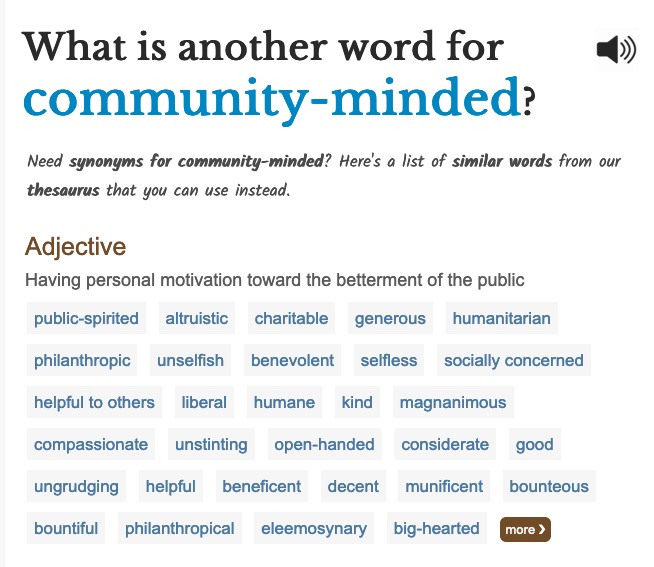
https://www.wordhippo.com/what-is/another-word-for/community-minded.html

Healthcare on the brink

The people who are carrying this crisis at the moment are the health care workers and support staff on the front lines. Are we doing enough to support their work.? Since 9/11 we have legitimately paid homage to our firefighters and first responders. I doubt that much money has flowed to them but they have been honored as critical members of our community. Many of us have the same admiration and appreciation for the hospital staff but there is real concern that they are not getting the tangible resources that they deserve (to serve our community). Reports abound on this topic. We are risking the lives of our health care workers at this very moment. Losing them to the virus or to burnout is not only criminal but irrational.

In the area of testing we are still not creating capacity and applying it to the people most in need. So we have health workers who are symptomatic who can’t get a test. They don’t know if they should go in or not go in. And yet we have lots of testing given to people who are not symptomatic.” – Bill Gates – March 24, 2020.

The essential missing resources are: 1. Adequate Staff, 2. Tests to determine when a staff member is infected, 3. Protective gear, 4. Ventilators, 5. Space for people who are infected (ICU and quarantine) and space for those who are not infected but require medical help.

The economy unraveling

Reading current economic forecasts, opinions vary, but the majority of economists describe an increasing drop in consumption related to unemployment related to sheltering for safety due to the increase in Covid-19 infection and death rates. While some sectors have remained in business and others may find ways to work safely, we are in the early stages of understanding what is safe. Testing, when it becomes widespread, will be a legitimate tool to chart a safe economic response. As reliable information (who is infected, how is it spreading, what regions require support) is available, I expect the creative and entrepreneurial instinct of people will find ways to provide service and build novel businesses. An economic rebound will rely on this creativity and on government to support their initiatives.

It is safe to say that the coming days will require sacrifice. No matter how long this pandemic persists, we will have to navigate the mysteries and perils of Covid infection while picking up the pieces of the world economy. While everyone agrees that we need to be strategic the way we manage the economy, there are already major disagreements on who comes first. Expect a repeat of the debate leading to the 2 trillion dollar bill that was just passed. Money for people, small business or corporations?

This is why governments are now responding on a massive scale. In addition to the magnitude of policy response, governments need to get their focus right, targeting effectively to support the most vulnerable links in the economy. What has been announced so far is just the beginning–there will be much more to come.” – Forbes

Triage for the economy

The question is what are the most vulnerable links. Is it the unemployed, small business, healthcare (including preparation for repeated infections), or corporations? Will we assume that corporations are most important to economic recovery? Will we feel compelled to compensate them for their losses. Or should we support the poor, the middle class, small and medium sized business? All of us have lost, to greater or lesser degrees. How to we rebuild our community of services?

We can hope that conditions will not be as dire as I have described but it is safe to say that we will be facing a recovery, the likes we have not seen since the depression. Granted it will be different than the depression of the 30s but policies will need to be aimed at jobs, unemployment, housing, health care and other basic human services. It is safe to say that we won’t have as much “disposable” income (what a horrible term) on the other side of this crisis and that people will need support for housing, education, and health care to name a few.

As the dust settles and we emerge from our shelter in place, the question will remain – Can we resist selfish (individualistic) impulses and respond a community-minded fashion?
Day 1 – Stay at home Colorado

Joni and I have been sheltering at home since last Saturday. But this is no longer a choice – it’s the law. Colorado’s Governor signed an executive order effective at 6AM this morning; saying that the majority of Colorado’s 5.8 million residents must stay home. This order was made to contain the spread of the corona virus and the tendency of people to ignore less direct warnings. I guess “we” still need a parent.

Unprecedented events continue to unfold as we identify and adapt to our invisible enemy. The fact that our only defense is distancing is causing a host of related changes, the likes of which are scaring people even more than the virus itself. It is pulling us together as it creates tension between us. I hope that we can pass this test and emerge with greater understanding of our personal and collective power.

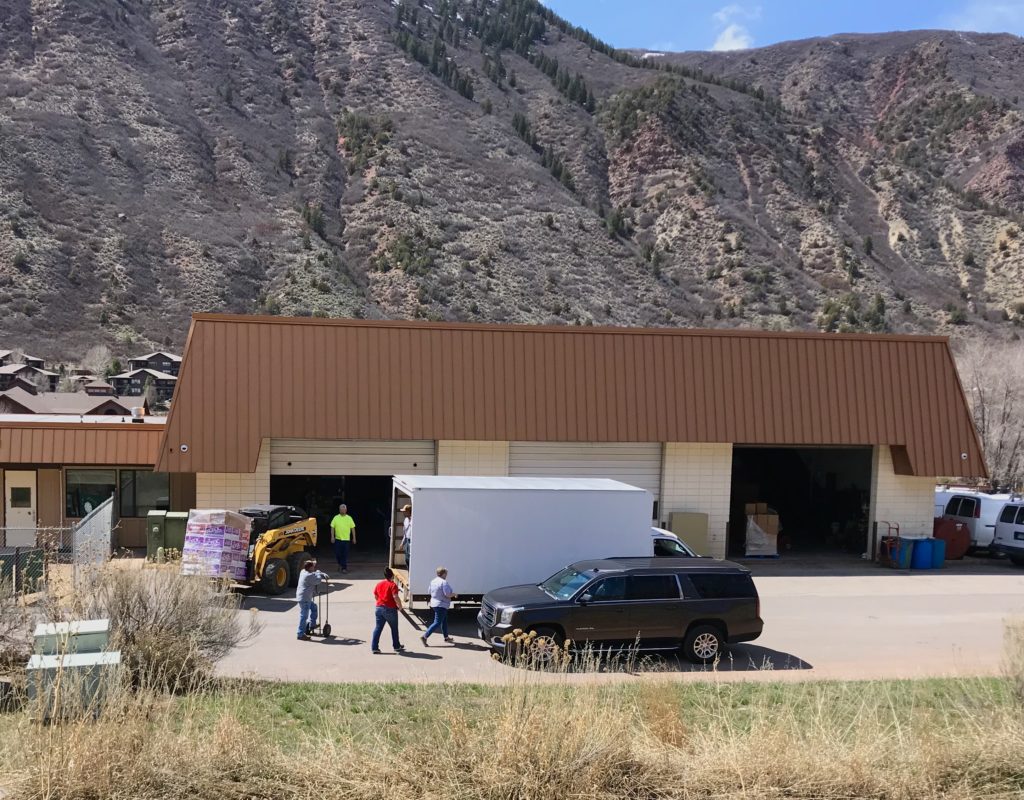
Last night I spoke to a friend in government who is on the front line of the response to corona virus. She attends regular community briefings to understand virus and the cascade of social and material consequences that it and our quarantine bring. These community leaders are organizing a safe response for our children who are isolated away from school They are planning to provide support, particularly food and supplies for children staying at home from school. They are grappling with the logistics of getting supplies from here to there. They have to move and deliver these supplies without inadvertently spreading the virus. First, they must secure materials from stocks and/or suppliers. Once they have identified the children in need (an ongoing process) they connect the children with the support. Of course they must keep track of all this movement; the product (like food or computers), the volunteers who transport it and the recipient. This is a multi agency/business/school endeavor.

Supply Chain – David McGavock

As amazing as this sounds, it is only one of the initiatives and groups in motion around this crisis. This effort may not seem as heroic as the work of our beloved health care professionals, but it is critical to prepare in these early days. We are but one small, rural, community. There are many counties and towns involved in this particular coordination but we are just a small microcosm of work being done at the level of the State, Nation and World. Connecting the needs of individuals, families and business with materials and support is what is necessary at all levels.

As an example of what is happening (or not happening) in communities around the world, this local effort reveals just how interdependent we are – how much we rely on each other, our businesses and government, our formal and informal organizations. Socialism, capitalism? call it what you want but we have to act with a single minded, social purpose, to provide for the basic needs of our community.

I am sitting at home, following the direction of my state governor who is acting on the advice of experts in the field of epidemiology. I trust that they take this responsibility seriously and should be trusted. I don’t trust them blindly of course but based on what I’ve read, they are taking a cautious and educated approach to the crisis.

This is a perfect time to reflect on the utility of government to direct the public for their own good. Would some call this socialism? Perhaps. Our taxes are invested to keep healthy bureaucracy in place – to prepare us for unforeseen events and to act in a coordinated fashion when necessary.

My personal action is not so much a sacrifice as it is a logical conclusion of the facts (yes facts) at hand. This action doesn’t really require that much of me except to listen and behave accordingly. Is that so hard? But staying home is relatively smaller sacrifice for me; a retired 64 year old with a pension. Staying home is a much larger sacrifice for many others. It entails a loss of income and for some it will lead to job loss and business loss and all the hardships that follow. I am fortunate to be in a stage of life where I am relatively insulated from this sacrifice.

Despite my particular niche, I know that I am connected to each and every person and that their sacrifice and their fate, is my fate. As this cascade of social effects continues, I will feel the effects of unemployment, business and investment loss. These and many other effects will become OUR new reality, our new legacy. They will require more sacrifice on everyone’s part. We will have to rebuild our economy in the same way we would reconstruct a community in any other disaster. Given that this disaster has affected all of us, without exception, the scale of the recovery will be on a scale we (Post WWII children) have never known.

It is time to prepare for collective sacrifice and action. My hope is that we will be considerate of all in this crisis, no matter their age, race, gender, or socio-economic status.

Teaching with Anis

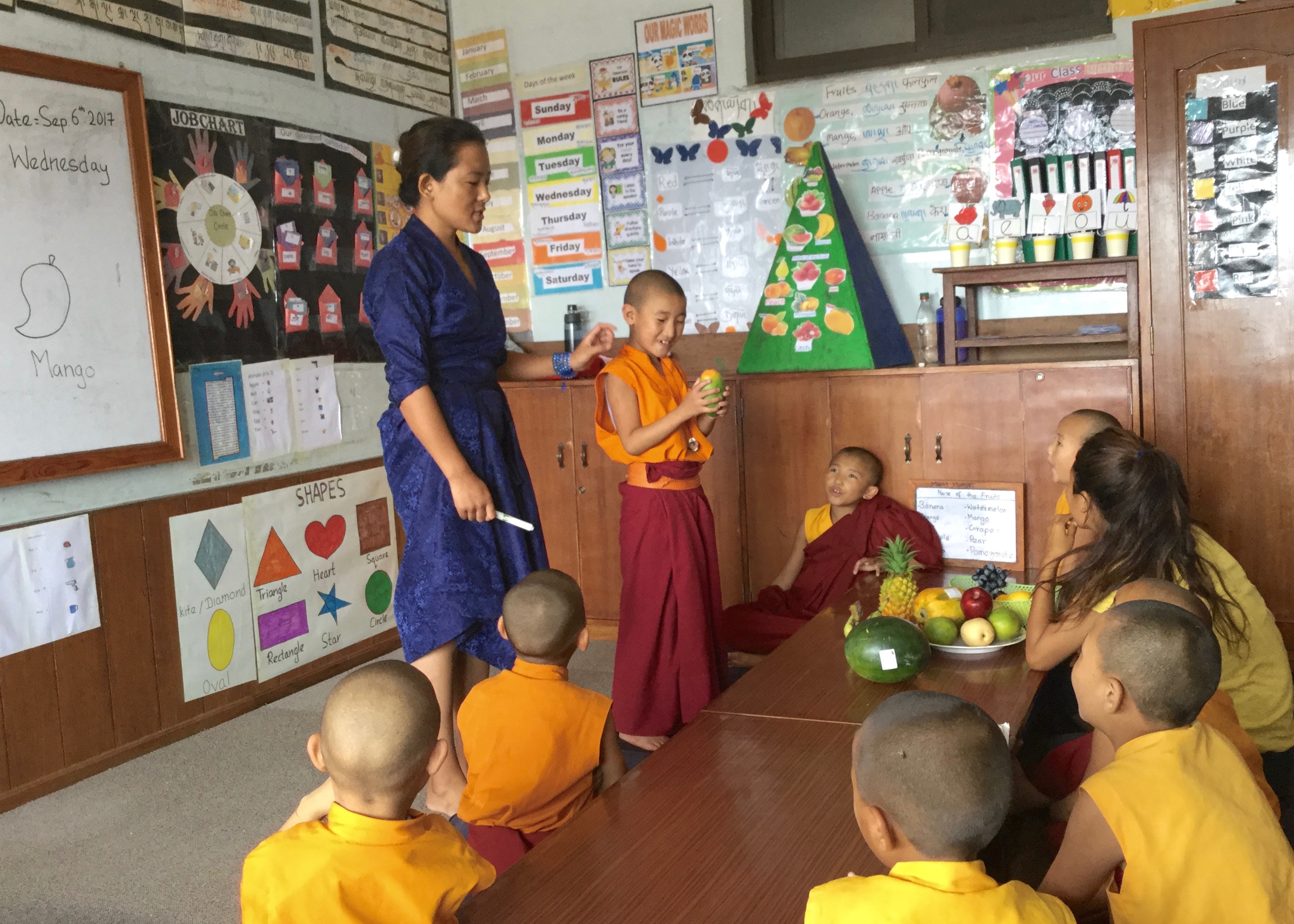
Learning the names of different fruits with youngest girls. We got to taste them as well.

Looking back on what I’ve shared to date, I realize that I haven’t really described our work with the Anis, the girls who live and learn at Tsoknyi Gechak School. This is due, in part, because I have been trying to figure it out and haven’t been able to formulate my thoughts on the subject. Our work seems to change and expand as we get familiar with the people and the structure here. Interestingly, in the last week or so, Joni and I have become more involved in working with the older Anis of the Trasang and Shedra as well.

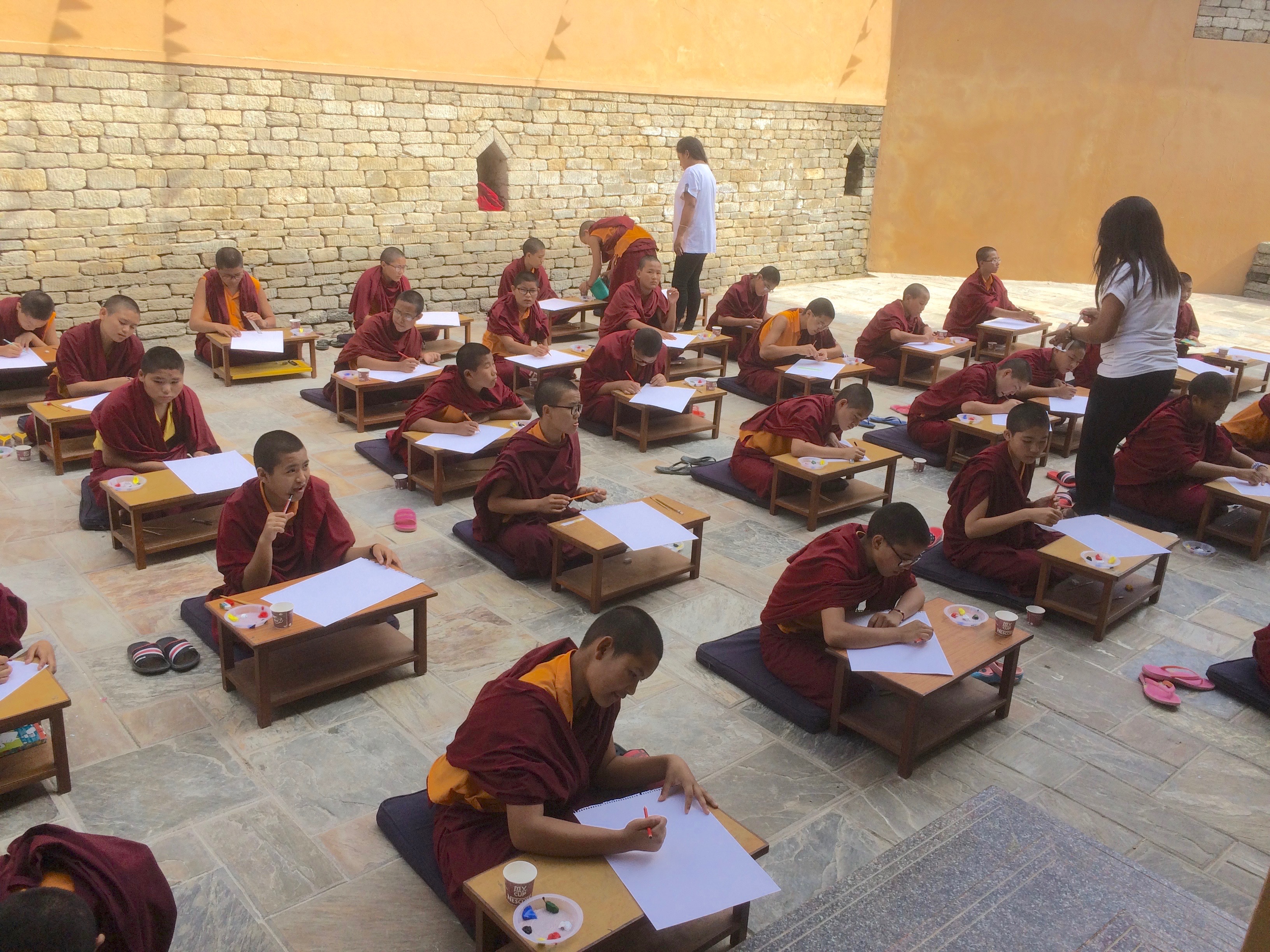
Art competition in the yard of the school.

As I have mentioned, most of the children who live in the school have come from the hills and mountains of Nepal (on the northern border). They have come here to get a proper secular education (reading, writing, math, 3 languages, social studies (including moral education or right behavior), and Buddhism.  The Trasang group is separate from the school and is made up of young women from India who are focus on the rituals and practices of Tibetan Buddhism and who do much of the daily chores around the Gompa. The Shedra is also separate from the school and is made up of young women who devote their time to studying all aspects of Tibetan Buddhism; philosophy, meditation, practice, ritual, language (Sanskrit and Tibetan), and many aspect that I don’t know how to describe. They also have some housekeeping duties around the Gompa.

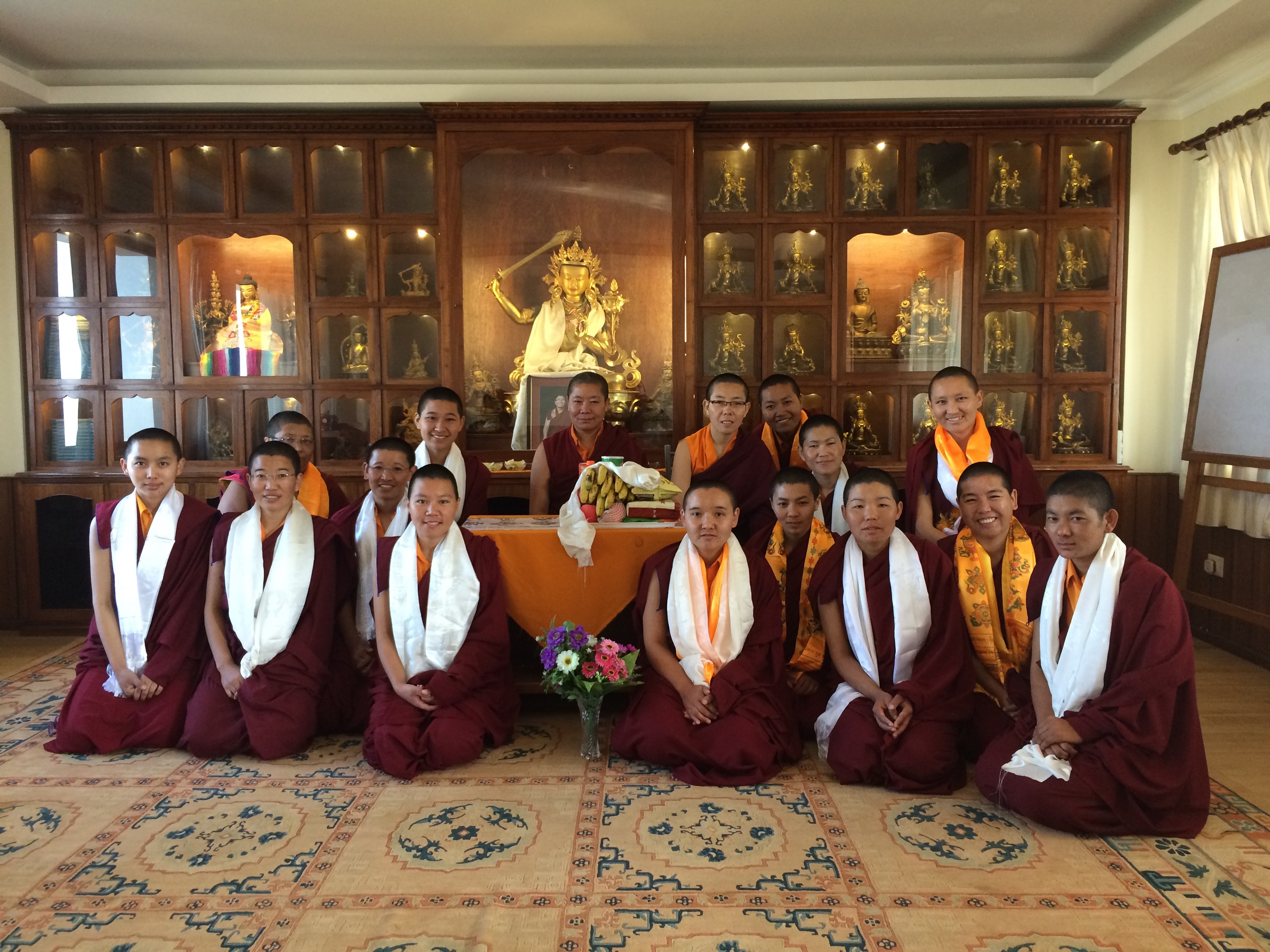
Shedra Nuns finishing a year of Tibetan with their Venerable teacher.

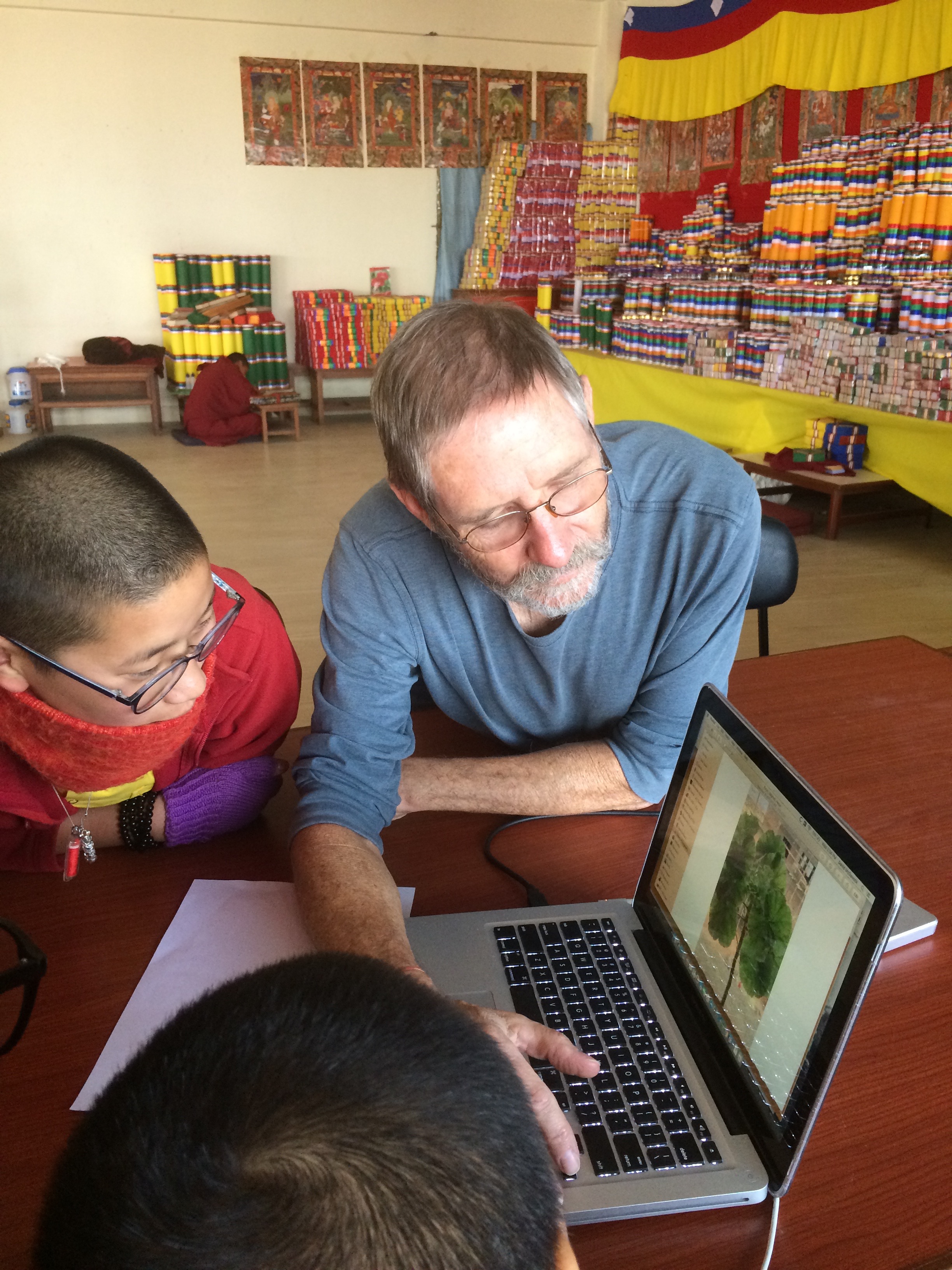
Editing Photos with the Trasang Nuns.

The bulk of our “work” is in the school with the children; class LKG, UKG (lower and upper kindergarten), Class 1, 2, 3, 4, 5, 6, 7 and 7A. Joni works with classes 2, 3, 4, 5, and 7. I work with the rest. We both focus on English by weaving in the content they are learning in other classes. We’ve also created lessons that emphasize spelling and speaking the most common words in the English language (Fry words), phonics, rhyming and such. Like most jobs, our teaching job has required some time to get a sense of how things run. We are learning how the teachers work, what the goals of the school are and the skill levels of the students. We’re feeling more confident now that we have established a working relationship with the primary English teachers. English is not their native language and unfortunately we DO mis-communicate from time to time. Over time we’ve become a better team, sharing the lead for instruction and working together to switch between speaking English and waiting for translation when necessary. It is my understanding that the recommended way to teach any language is immersion; in the case of English instruction, making students communicate in English only. This is difficult if the teacher is not totally proficient in both languages. Unfortunately, we aren’t proficient in Nepali or Tibetan and the teachers still lean on their native language over English.

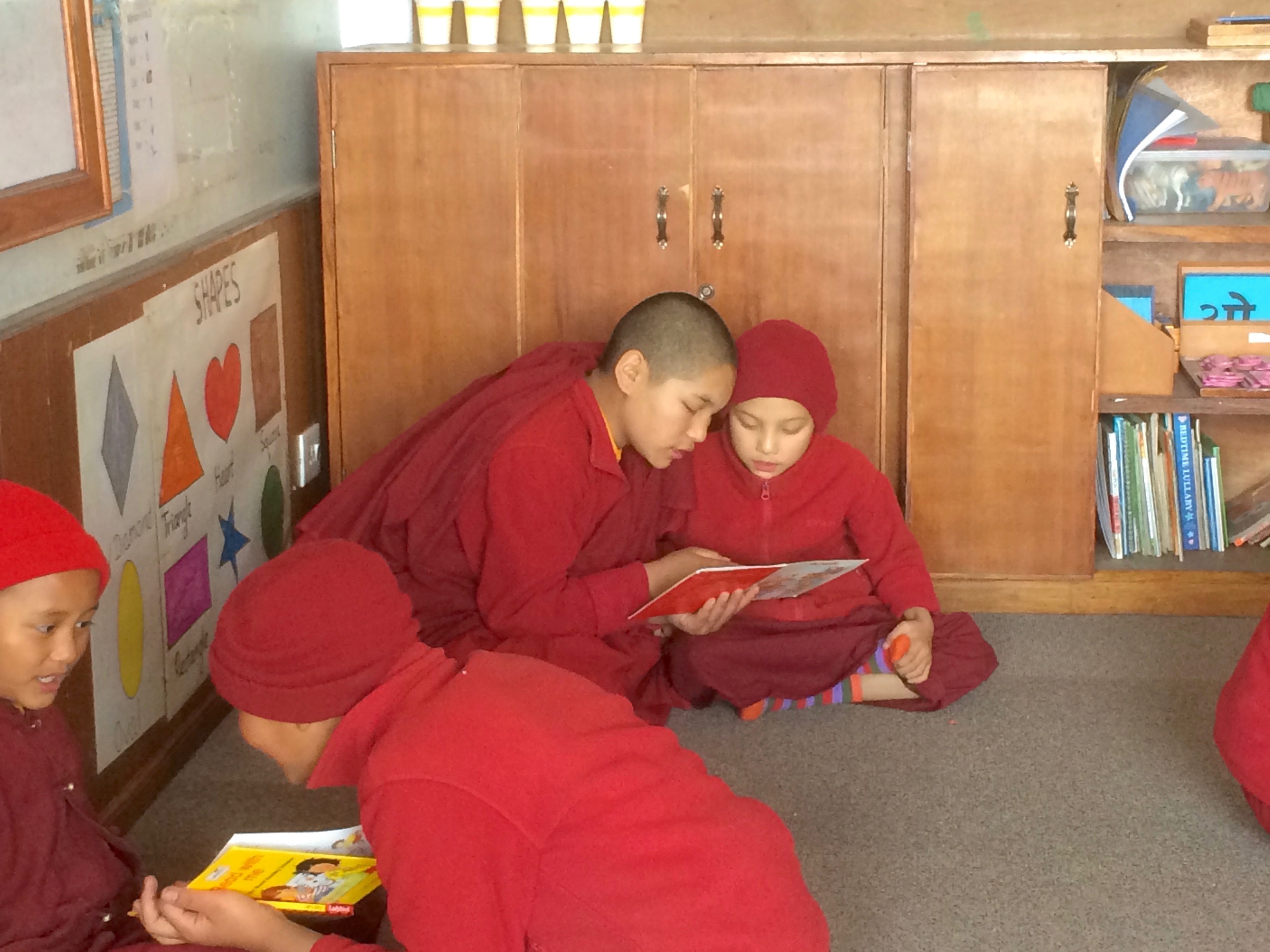
Older girls reading to younger thanks to the efforts of Joni.

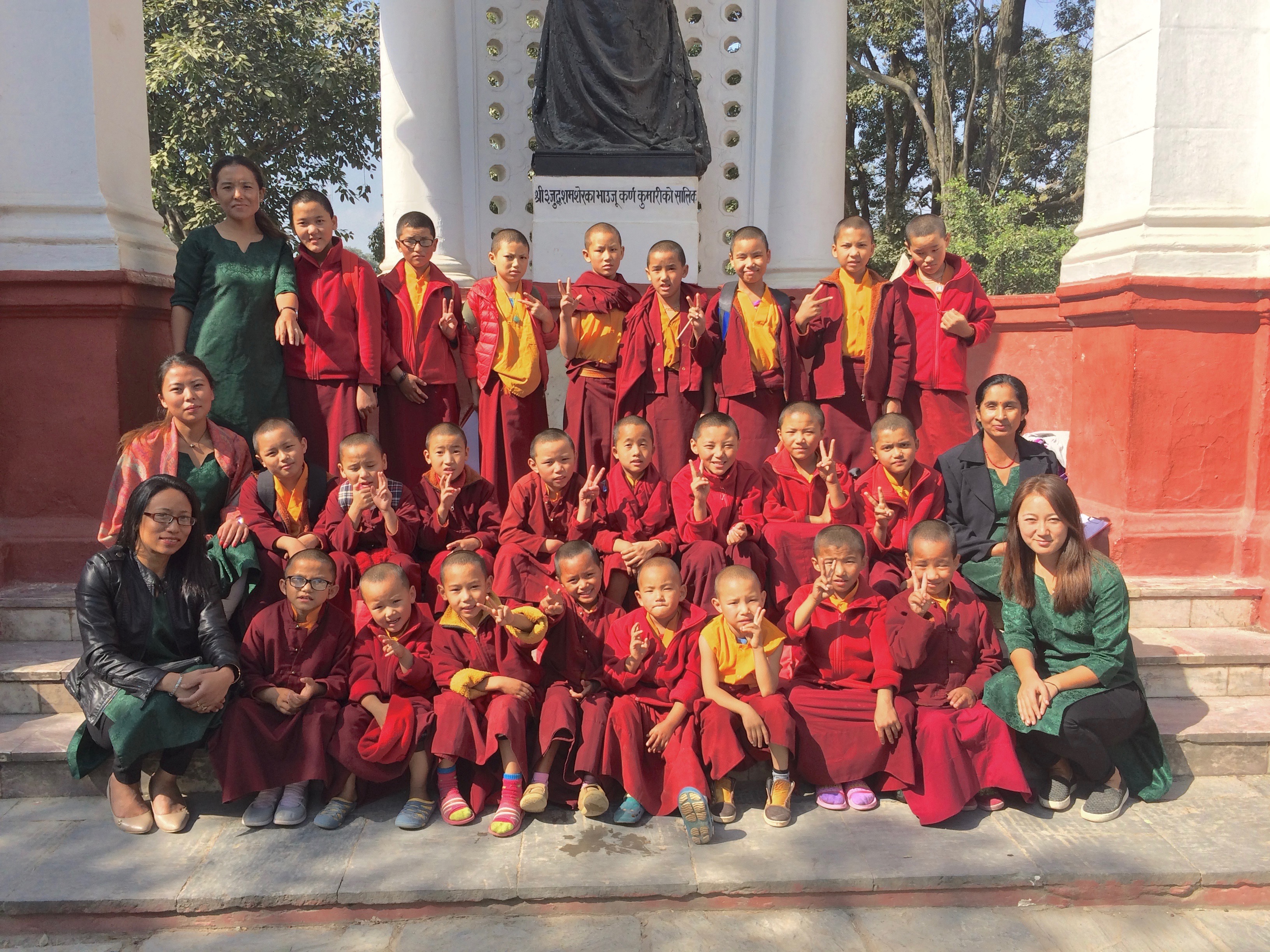
Younger students posed as a group during our field trip to the zoo.

All the technical details aside, we have come a long way toward establishing a relationship with the teachers and the students. The result is a level of humor and trust. We are becoming more relaxed and willing to approach one another, despite the occasional barriers of language and custom. Joni brings her experience as a classroom teacher and this is being recognized by the teachers as she creates lessons that are focused and based on her observations of the student’s competence. She has some tricks and methods that she models for the teachers and shares with me. I expect her ideas and influence will live long past her time here. I have limited experience with teaching English or curriculum. I believe my strength is in engaging with and building relationships with the teachers and children, playing, and understanding their needs. My skill in writing and speaking, spelling and grammar are also a bonus – though the “rules of grammar” evade me at times. Mostly, I try to learn from Joni and the teachers I work with.

Our time outside the classroom is just as important as our time in the classroom as we play games, chat and joke with the girls. When we first came it was difficult to get the girls to look at us. Most of them would cover their face or mouth with their robes when they addressed us and would seldom look us in the eyes. Now they greet us as we come and go, calling us by name (“David Sir”, “Miss Joni”). They say, “Good morning”, “How are you”, “Sweet dreams”, “See you tomorrow”, etc. When Joni left to go back home to visit her mom last Friday, some stood on the wall waving her goodbye. We are becoming part of the big family.

While our relationship with the young women of the Trasang and Shedra has developed more slowly, we often get evening room visits from them now; to request help in editing their English writing. This began when the class 5, 6, 7 and 7A students began bringing penpal letters to edit. What started as a trickle, a single student knocking at our door in the evening, has become a flood. Some evenings we have 5 or 6 girls standing in line for feedback. I have to admit that I sometimes cringe at the late night work. But when I see their commitment and willingness to take feedback and their devotion to learning, my resistance fades. I want to do all I can while I can.

The Trasang nuns are writing stories about life here in the Gompa, their decision to come here and their hopes for the future. The idea for writing started in a photography class that I’ve been running with them. The school teacher that I collaborate with agreed that we could capitalize on our photography lessons by mixing writing and photography. The hope is that they will maintain a regular newsletter for the school, with stories of the children in the school and activities in and around the school. Writing about themselves to begin the process seems like a good place to begin.

All of the nuns, young and old, have incredible skills in concentration and memory. I’m not sure how this has evolved exactly but it is reflected in the youngest students who spell and say words with great speed (I ask them to slow down sometimes). As we have spent time with them we’ve realized that the ability to spell and say words is very different than understanding the words or linking a string of words into a sentence. Consequently, we have made it our mission to teach in sentences and question them on the meaning of words. It has been a wonderful learning experience for all of us.

Impermanence

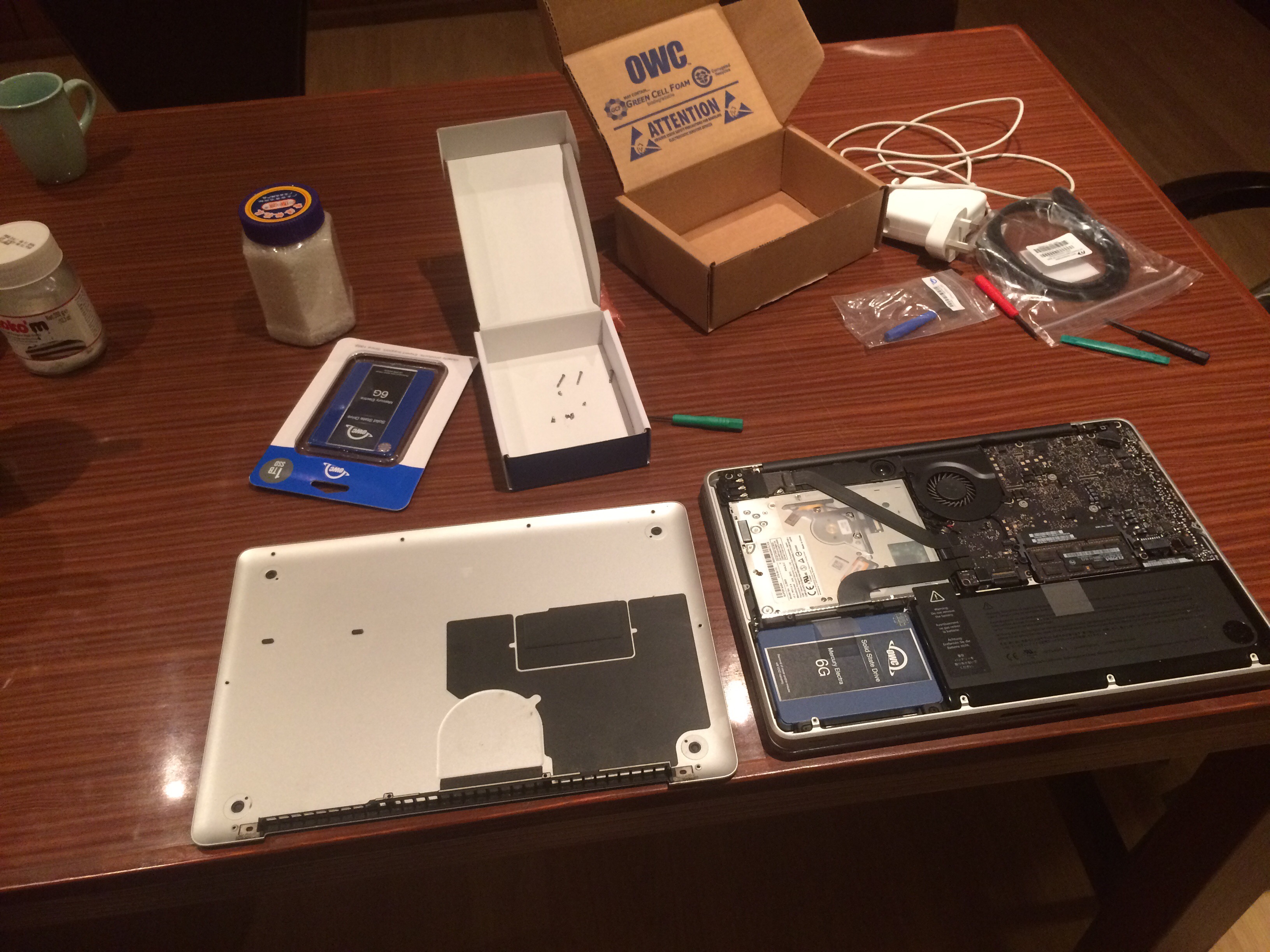
It has been quite some time since my last post. The problem is that my computer died soon after our return from Muktinath making it more difficult to find access to write and post. After much testing and a slight hope that some magic tricks would bring it back to life, the dreaded folder with a question mark remained on my screen at startup. If you ever see this, 


…it’s time install a new hard drive.

The good news is that my friend Jim Easton was scheduled to come to Nepal for trekking so I ordered a new drive on line (something I’ve done for clients many times) and Jim graciously agree to pick it up at my house in Glenwood Springs and deliver it to Kathmandu. I’m happy to report that Jim and his friends (Nancy and Charlie) and family (Sister Susan) arrived yesterday. We met him at his Hotel in Boudha, visited and had a nice dinner. Afterward we dropped by his Hotel and took a taxi back to our place in Chobhar.


While I have successfully installed and formatted the disk, verifying it’s viability, I am now required to install an operating system. This would be an easier task at home where I have plenty of tools and computers at my finger tips.


Impermanence is an important remembrance within the teachings of the Buddha. One day we are happy and the next we are disappointed. One day we are alive and the next we have perished. One day we are healthy and the next we are sick. Each day, each moment is a fleeting thought in time. Things improve, things disintegrate, things are created and then destroyed. This is the meaning in the creation and dissolution of the great sand Mandalas in the Tibetan Buddhist tradition. While we all know this, we resist and, understandably, do our best to avoid these realities. This is why a good backup is not only a good idea but a requirement. Only time stands between a new computer and a recycled one. So I am reminded.

Anyway, I intend to be up and running in the next few days with more tales of my travels. Please stay tuned.

Dream Travel

Joni and I are enjoying some time away from Kathmandu, traveling to Pokhara during the Dashain Holiday. While Dashain is a Hindu, not Buddhist holiday, our school is closed for a couple weeks. It seems that everything in Nepal is on the Dashain schedule during these 2 weeks. It feels a little like Christmas Holidays with people going home to be with family and friends, buying special gifts and giving thanks for what they have.
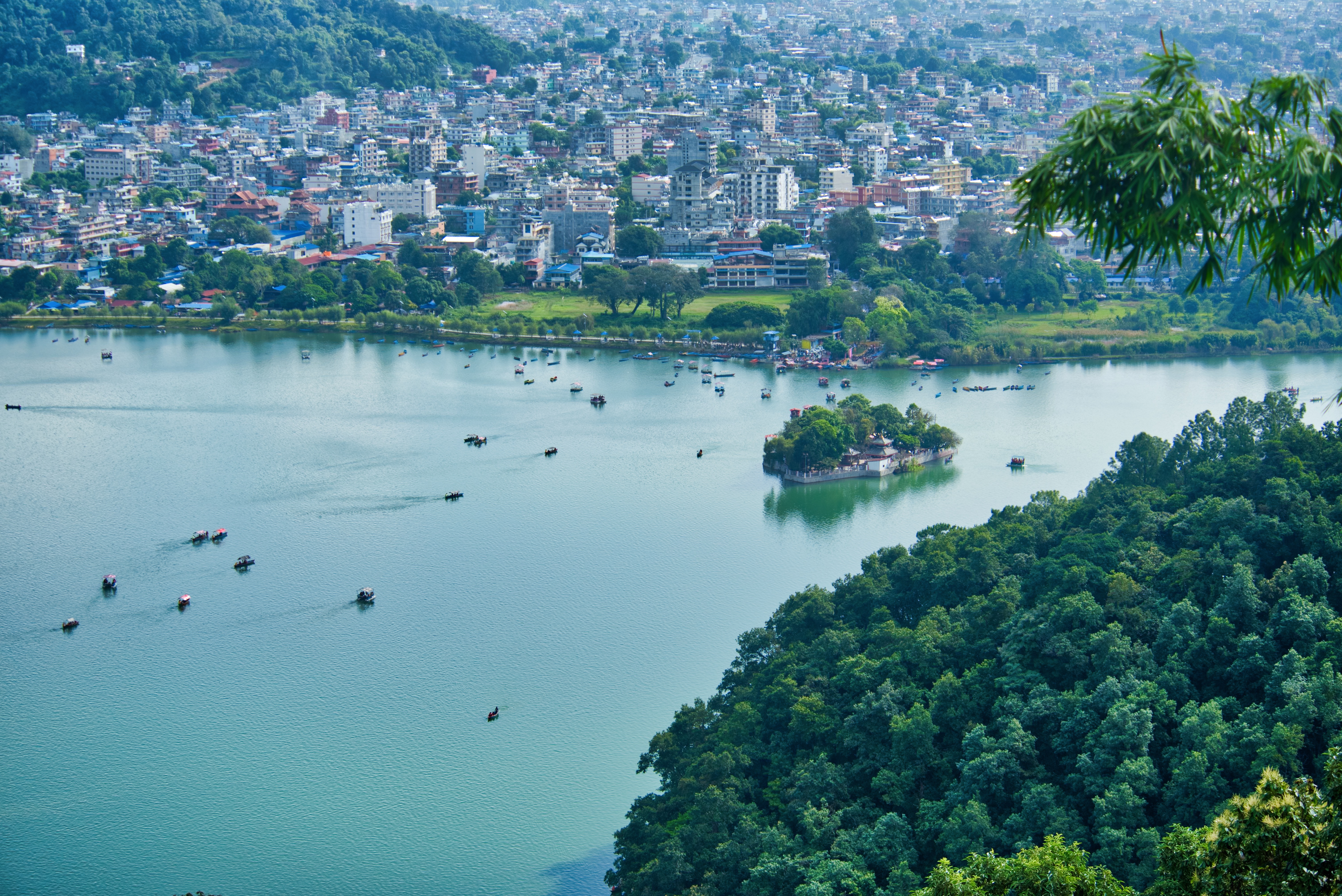
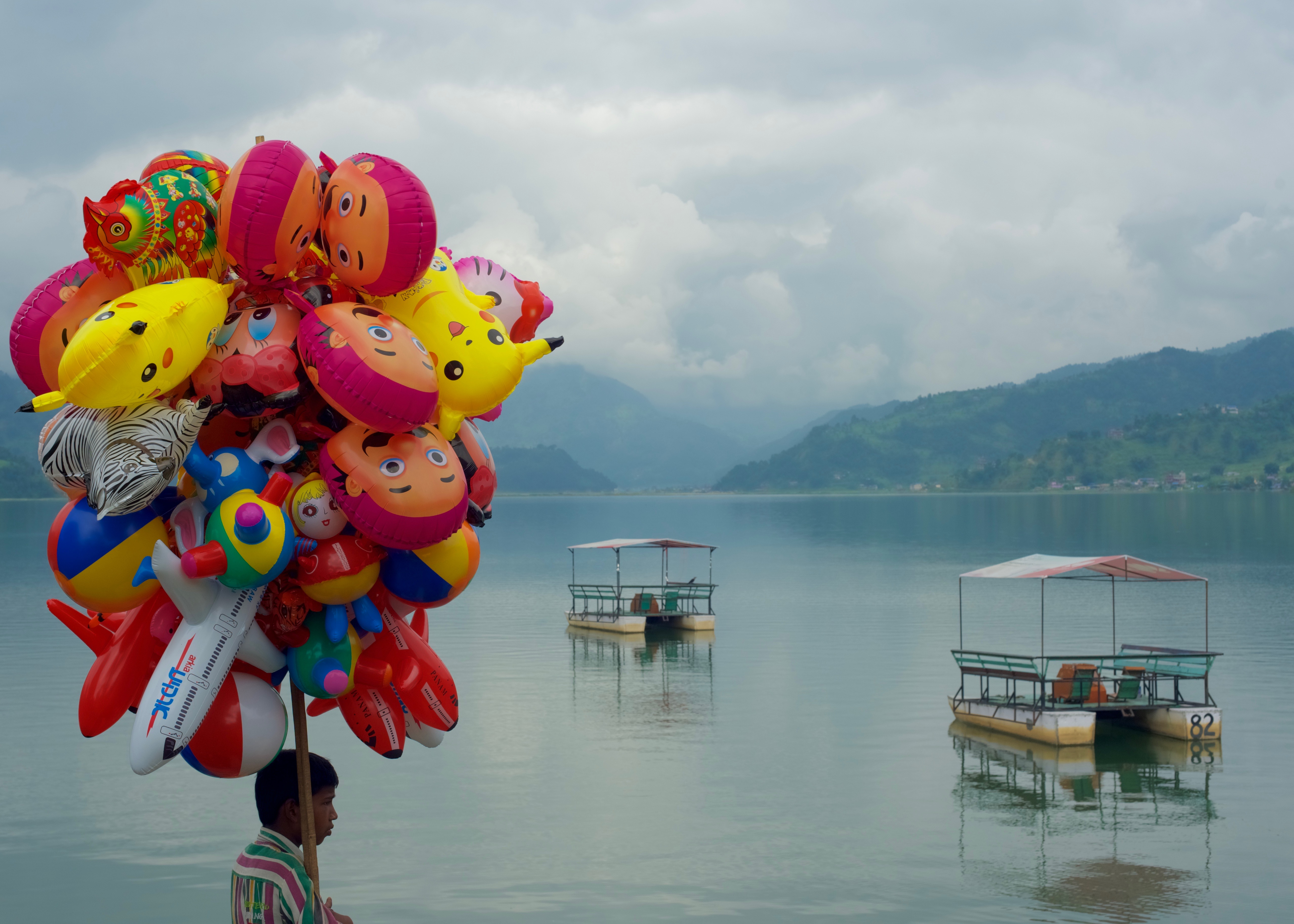
When we return, we will begin a new term. While we have only just begun our work, it is great to have time to experience another aspect of Nepal. There are many similarities between Pokhara and Kathmandu, but we are enjoying some stark differences. Most striking is that the traffic is 100 times more tolerable. Pokhara doesn’t have the jams and break neck passing and weaving that is constant in Kathmandu. The result is that I feel safe to walk down a side walk (they actually have sidewalks) and cross the street without taking my life in my own hands. The side street that we are staying on is even more relaxed – so much so that Joni and stroll down the middle of the street on occasion. One of the things that helps the pace and consistency of traffic is that the streets aren’t filled with potholes (and outright pits) so cars don’t have to navigate around things. I must admit that we are staying in a particularly touristy area of Pokhara (in the Lakeside area) so I can’t attest to the pace in other areas of Pokhara. Pokhara is definitely a large and busy city (Nepal’s second largest). It’s size was made real to us this morning when we climbed above the city to enjoy the Peace Pagoda.
It is hard to believe that we have been in Nepal almost 6 weeks now and “on the road” from Colorado for 2 months. In this time we’ve experienced an incredible amount of diversity and variation; people, language, landscape, accommodations, climate to name a few. There’s been variation from our routines in Colorado and an added level of variation between the places we visited since. There has been so much diversity that last night we both commented about how dreamlike this experience feels. You may have heard the expression “dream travel” or the “dream vacation”. I don’t think this is what those expressions are meant to convey but they certainly are apt for our current experience. Travel has put us in a state of mind that is akin to dreaming.
Traveling in our own culture, moving from place to place, meeting new people, negotiating unusual situations and environments can bring on this state of mind. Traveling in Europe increases another level. But when we were in England we had our language (most of it) in common with the people around us. The organization of services were also fairly familiar. While life there was a little surreal, traveling in Asia takes us to an even more ephemeral level.
 
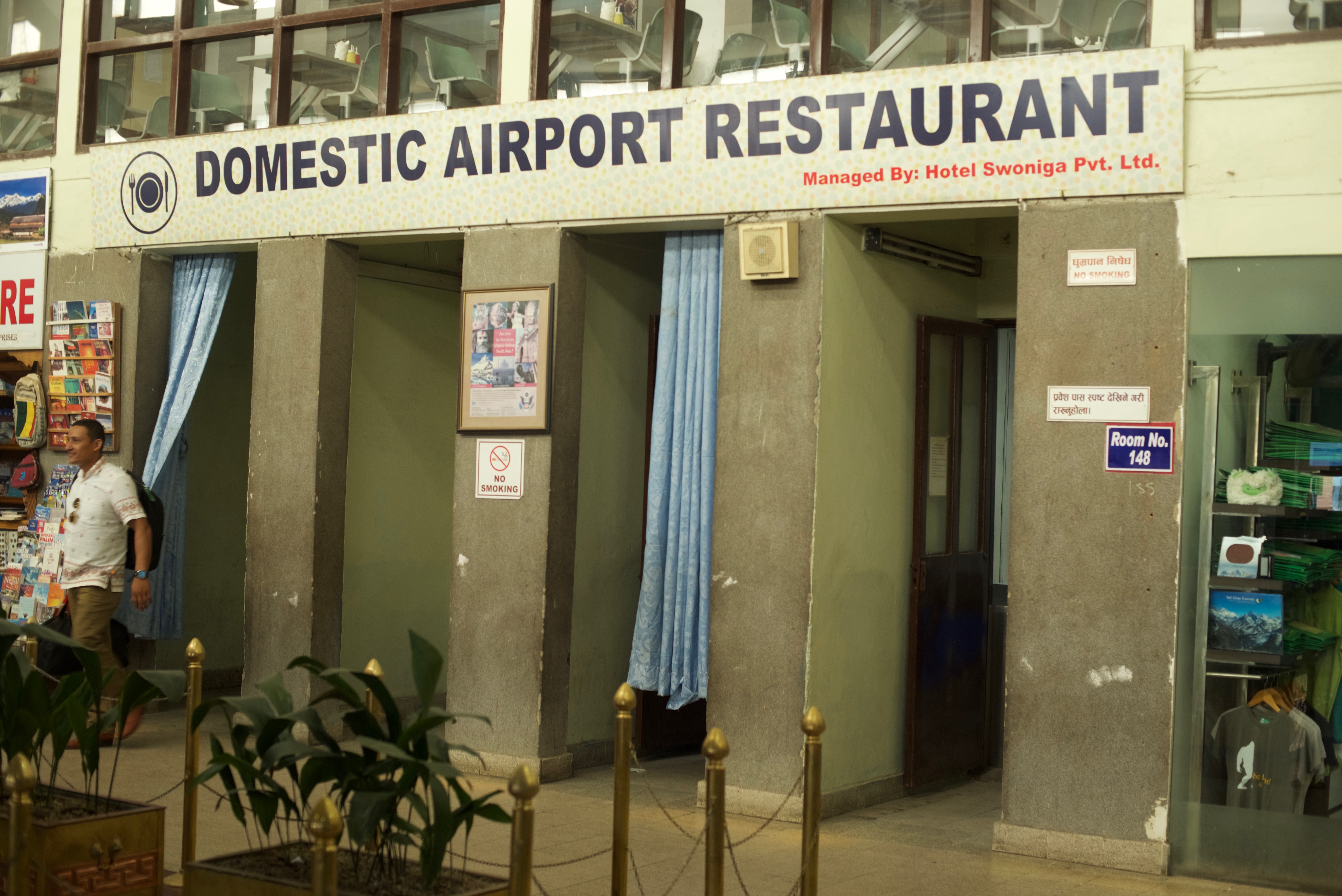
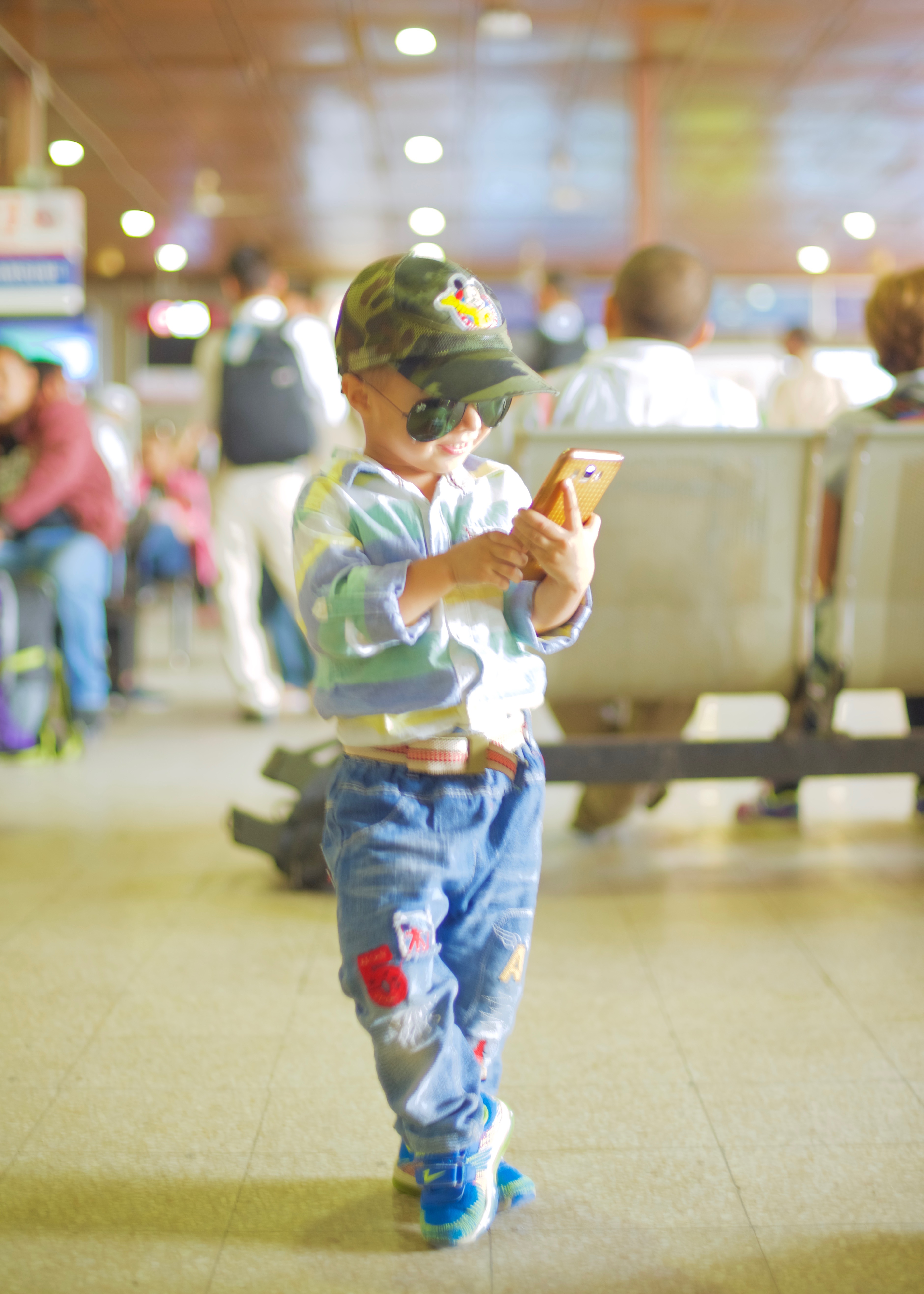
Dreaming in sleep takes us into a realm where scenes changes rapidly and unexpectedly. Unless you are a skilled “lucid dreamer” you have no control over the experience. At the mercy of the stream of consciousness and the manifestations that appear, our emotions are on a roller coaster. While there are obvious differences between sleep and my “travel dream”, the extent and pace of novelty during travel significantly stretches my sense of reality. For example… In a matter of 72 hours I have been transported across Kathmandu by a former Tibetan Buddhist monk, passed through an area of town that I’ve never seen, stood in front of the Tribhuvan Airport drinking coffee while watching and listening to travelers from around the world, squeezed through airport security (that wasn’t all that secure), figured out how to negotiate my baggage and secure a seat on my plane, squeezed through another airport security portal (a little more secure), sat in a waiting room that felt more like a bus station than an airport boarding area, rode a bus across the tarmac to my flight, flew past the Himalayas and into Pokhara, found my hotel taxi driver (who thankfully had Joni’s name on a piece of cardboard), settled into new sleeping quarters, and negotiated my way around a new town to eat, shop, and visit local attractions (I’ll spare you some details).
In the lobby of our hotel where I am writing, there are 5 clocks showing the time in Germany, England, US, China and Nepal. It is 1:47 here in Pokhara. 11:20 in the US (must be Eastern Standard Time). In Colorado it is 2:00 am. Given that it’s the middle of the night in Glenwood Springs, perhaps I am just dreaming 🙂
Click on the link to view the Pokhara Album in Google Photos: